
-
About Us
- Company Profile
- Organization
- Development History
- Honors & Certificates
- Corporate Culture
- Employee Showcase
- Company Leadership
-
Service Capabilities
- National Quality Inspection Centers
- Professional Laboratories
- Future Development
- Research & Testing Bases
-
Tech Innovation
- Innovation Platforms
- Innovation Teams
- Innovation Achievements
- Bus Technology & Research
-
National Quality Inspection Centers
- National Bus Quality Inspection & Testing Center
- National Motorcycle Quality Inspection & Testing Center (Chongqing)
- National Intelligent Connected Vehicle Quality Inspection & Testing Center (Chongqing)
- National New Energy Vehicle Quality Inspection & Testing Center (Chongqing)
Professional Laboratories
- Vehicle Testing Research Division
- New Energy & Environmental Testing Division
- Automotive Electronics & Information Testing Division
- Safety & Reliability Testing Division
- Motorcycle Testing Division
- Chongqing Motor Vehicle Compulsory Inspection Test Track
- Shenzhen Yupeng New Energy Vehicle Testing & Research Co., Ltd.
- Tianjin Yuhai Motor Vehicle Inspection Co., Ltd.
- Chongqing Yu'ou Motor Vehicle Testing Co., Ltd.
Safety & Reliability Testing Division
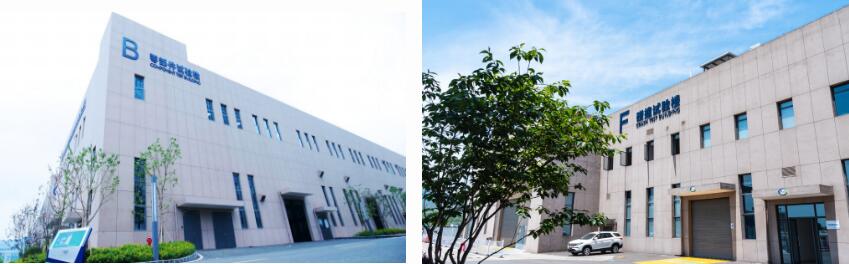
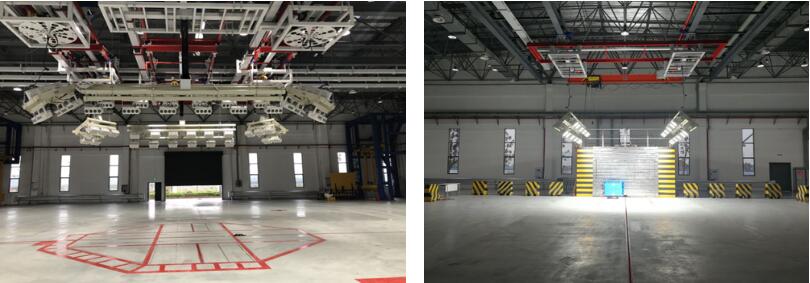
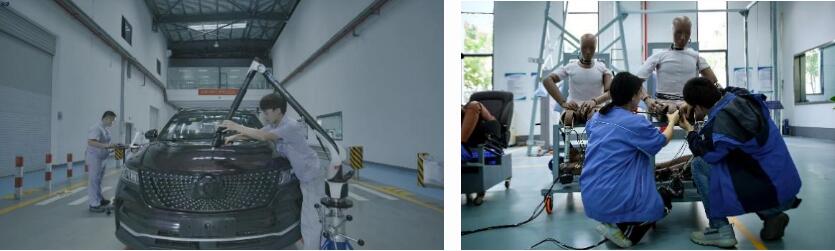
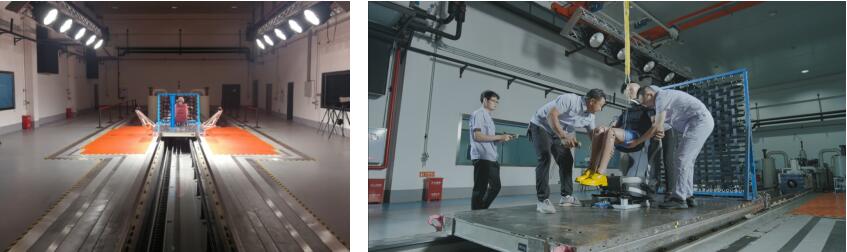

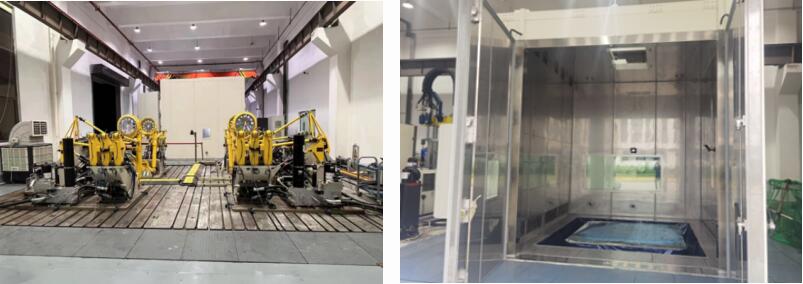
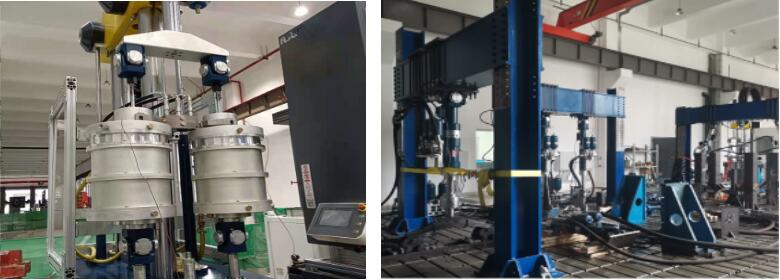
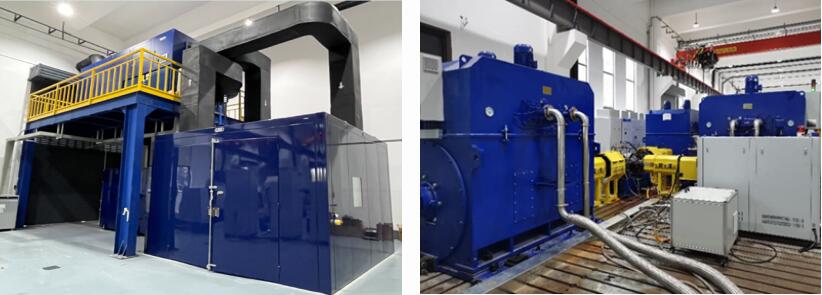
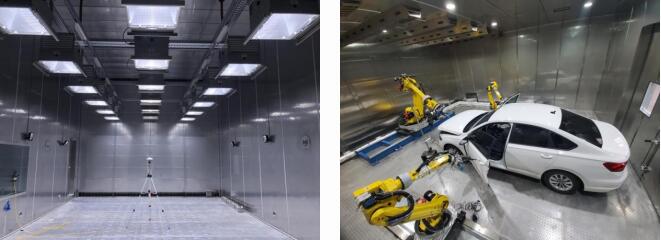
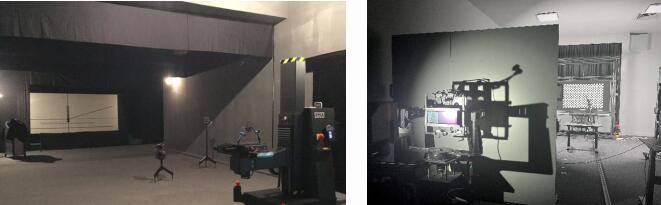
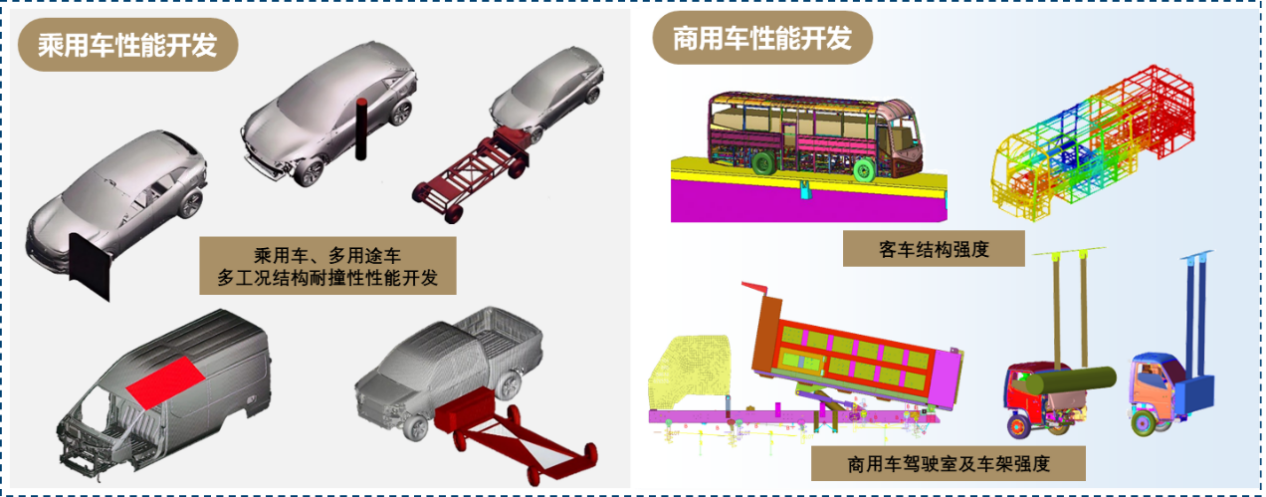
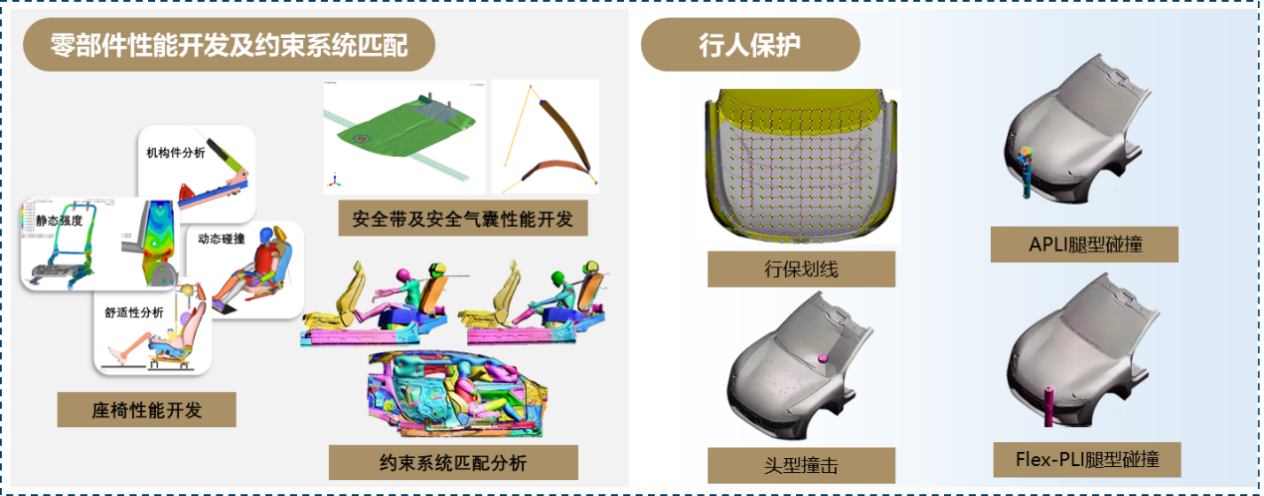
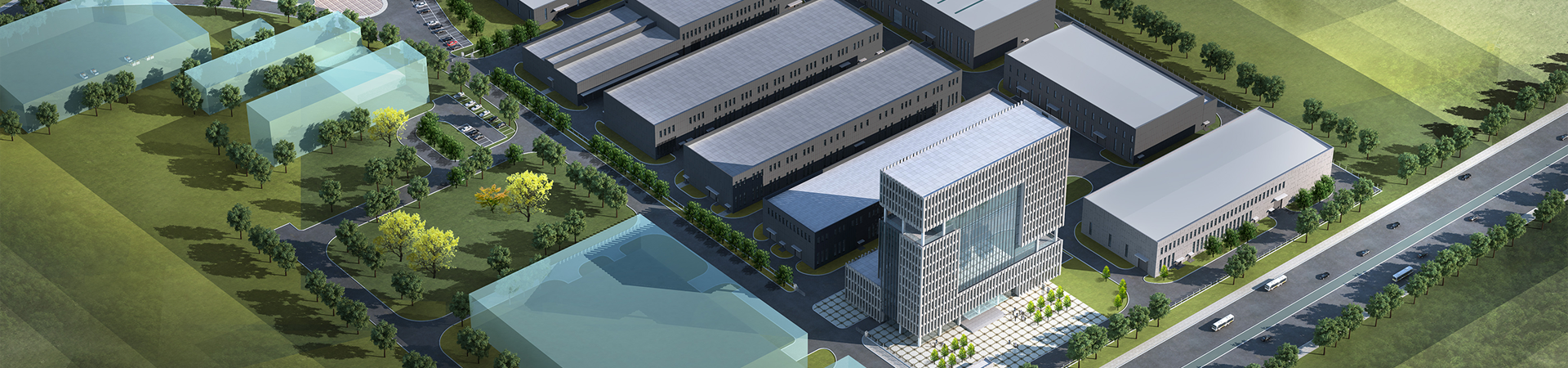
The Safety & Reliability Test and Research Division (hereinafter the "Safety & Reliability Division") focuses on the three technical domains of safety, performance development and reliability, addressing users' development pain points and aiming to become a technical service organization that improves automotive product safety and quality. It has over 200 employees, a test building covering 32,000 m², total investment of RMB 500 million, over 1000 sets of equipment, and full-chain capabilities from whole-vehicle to system to component — performance development, testing & evaluation, and optimization.
Vehicle Safety Test Research Office: The laboratory comprises two main divisions: full-scale vehicle crash testing and pedestrian protection.Vehicle Crash Laboratory is equipped with two German Messring propulsion systems, featuring a 280 m towing track. The maximum towing capacity is 25 t at 80 km/h, and the maximum towing speed reaches 120 km/h at 3.5 t. The laboratory is capable of conducting full frontal impact, frontal-to-frontal car-to-car impact, side impact, rear impact, and rollover tests,etc. It also provides industry-leading airbag misuse testing capabilities for both passenger vehicles and commercial vehicles. All testing covers domestic and international crash standards as well as the requirements of evaluation protocols such as Euro NCAP, C-NCAP, and C-IASI. An integrated laboratory-plus-proving-ground service model is offered.Pedestrian Protection Laboratory is equipped with three sets of impactors (BIA and TECCON). It can perform pedestrian headform impact tests, legform impact tests (including aPLI, Flex PLI, TRL upper legform, PDI2, and other leg impactors), interior impact tests, and ejection mitigation tests. The testing scope covers domestic and international crash standards and evaluation systems including Euro NCAP, C-NCAP, and C-IASI. A walk-in environmental chamber (–40 °C to +100 °C) is available to support active hood misuse testing under extreme temperature conditions.
Component Safety Test Research Office: The Division has a hydraulically controlled accelerated crash-sled system (Germany IST) and a 3.1MN ServoSled System( USA Seattle Safety),with repeatability RMS <3g, Max thrust 3,100 kN, impact speed 90 km/h, impact acceleration 108 g.Meanwhile, the servo-controlled sled system is capable of pre-braking whiplash tests and integrated active-passive development testing. It accurately simulates real-vehicle acceleration curves and regulatory crash curves for China/US/Europe/ASEAN dynamic tests, covering C-NCAP/E-NCAP/ ASEAN-NCAP and IIHS whiplash tests, meeting component dynamic-performance and restraint-system matching needs; also performs seat durability, airbag static deployment and EDR performance testing.
Chassis Test Research Office: Complete chassis testing — road simulation, suspension/steering, drivetrain and brake-system tests, with whole-vehicle/assembly/component multi-dimensional bench capabilities for structural strength, vibration durability and performance evaluation, including load-spectrum hydraulic multi-axis component testing.
Body Test Research Office: Whole-vehicle/body-system/component level testing — body environment & structural strength, optical & image performance, electronics, and material properties: solar accelerated aging, open/close durability and body bend/torsion stiffness; automotive lamps, CMS (camera monitor systems), DVR, luminance uniformity; material light-aging, corrosion, environmental aging and physical-property verification; electrical-product function, reliability and fault-diagnosis testing.
Forward-looking Technology Research Office: Collaborates on forward-looking research projects and performs passive-safety, structural-stiffness and fatigue-durability simulation for passenger/commercial vehicles and buses at vehicle and component level, covering GB, EU, NCAP, insurance-index and enterprise standards.